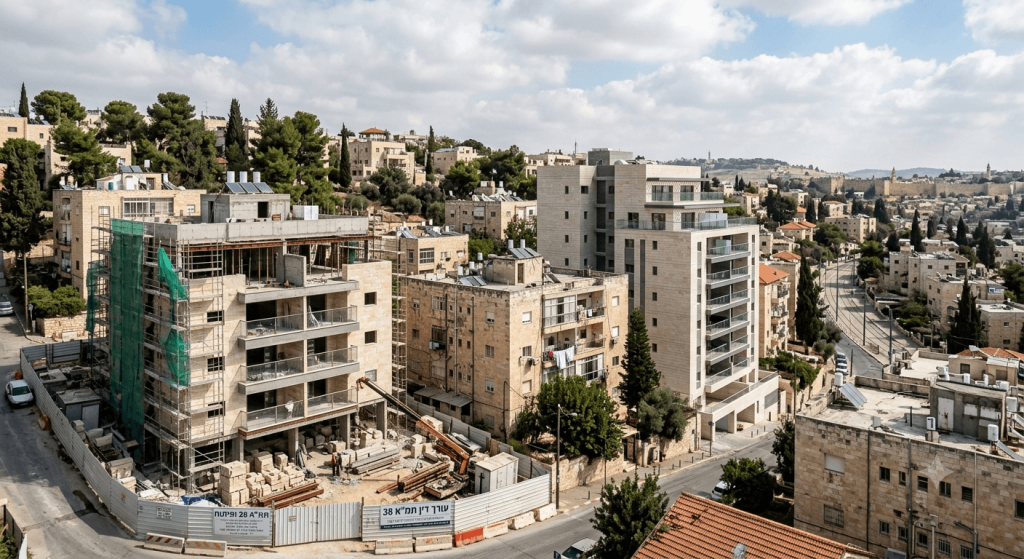
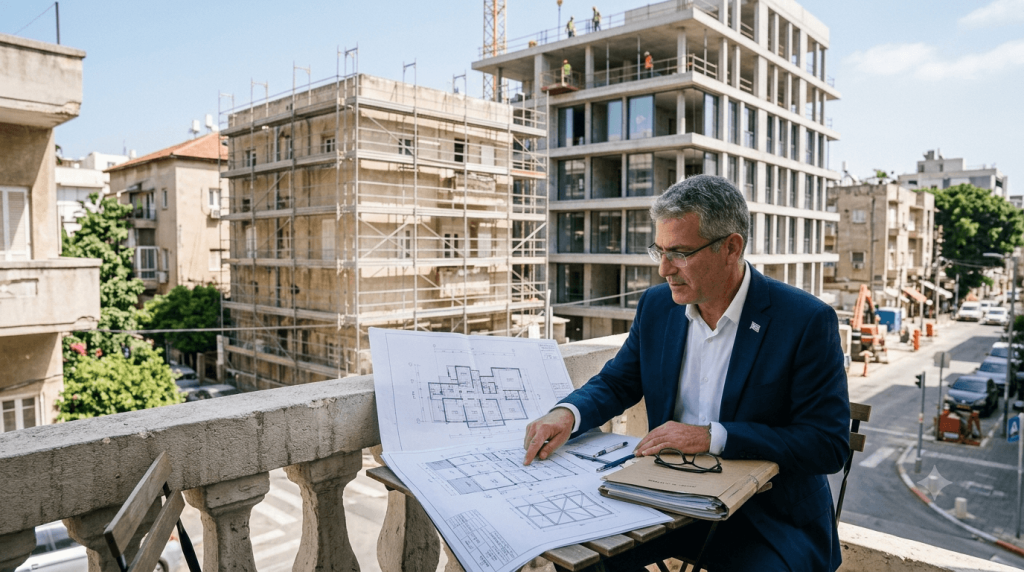
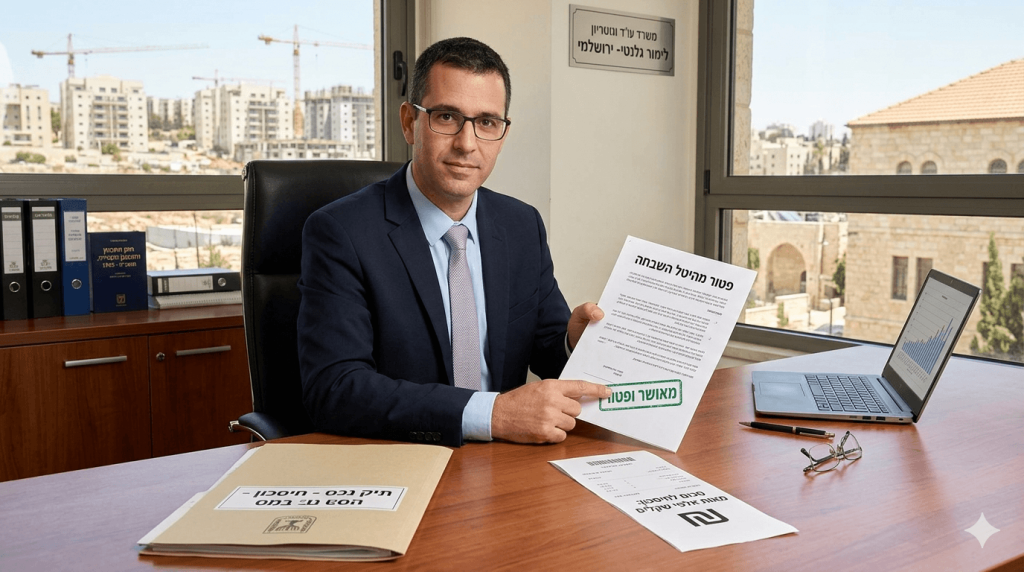
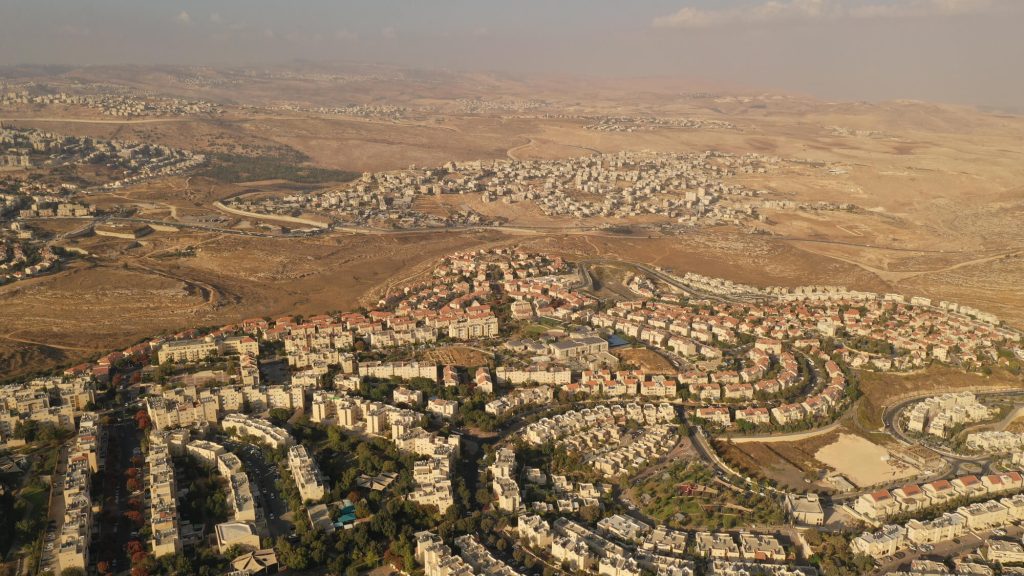
A TAMA 38 project in Jerusalem offers an exceptional opportunity to upgrade quality of life, to strengthen the building against earthquakes, and to significantly increase the value of the property. However, because of Jerusalem’s unique characteristics, and the preservation procedures and policy of the Jerusalem Municipality and the Local Committee for Urban Renewal, managing the process requires professional legal protection.
TAMA 38: What Does It Mean?
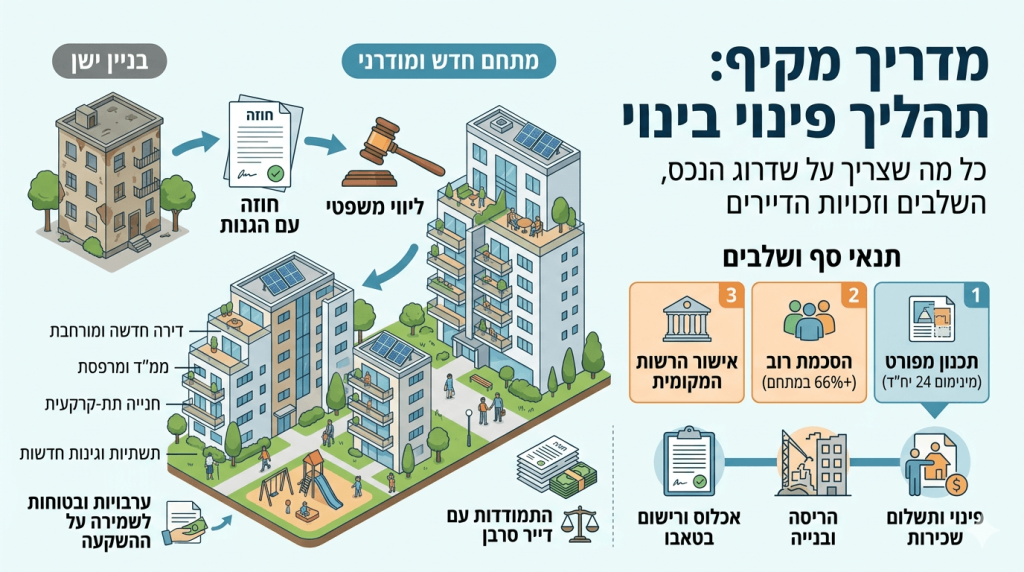
This is a national outline plan designed to incentivize apartment owners and developers to strengthen buildings against earthquakes. Under TAMA 38 (National Outline Plan 38), there are two main tracks:
TAMA 38/1
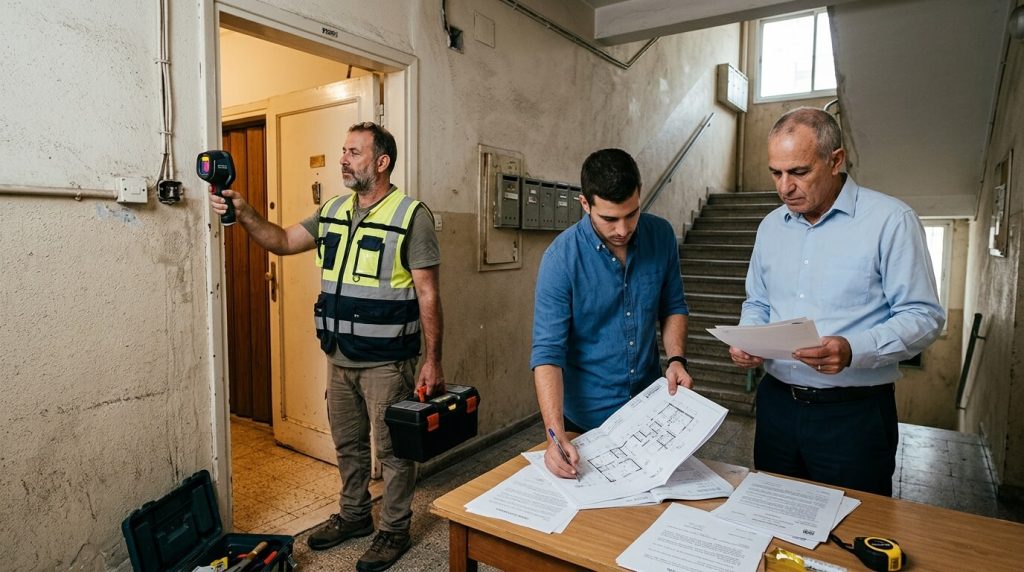
Strengthening the existing building, to which new balconies, safe rooms (mamad), or elevators are added. Under this plan, the residents remain living in their homes throughout the entire period of the works, while the building’s infrastructure is upgraded.
TAMA 38 Amendment 2
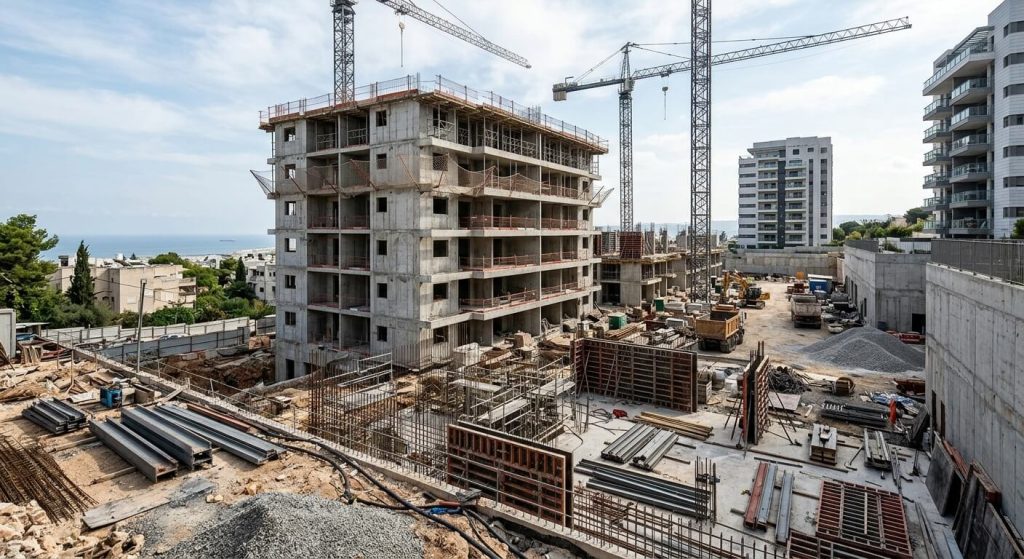
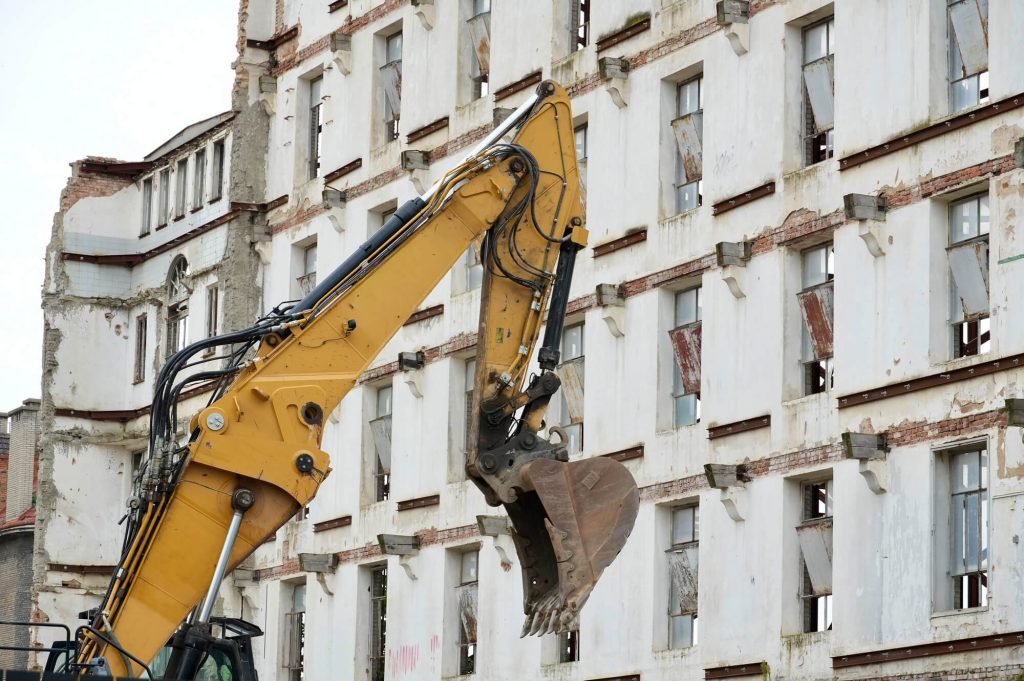
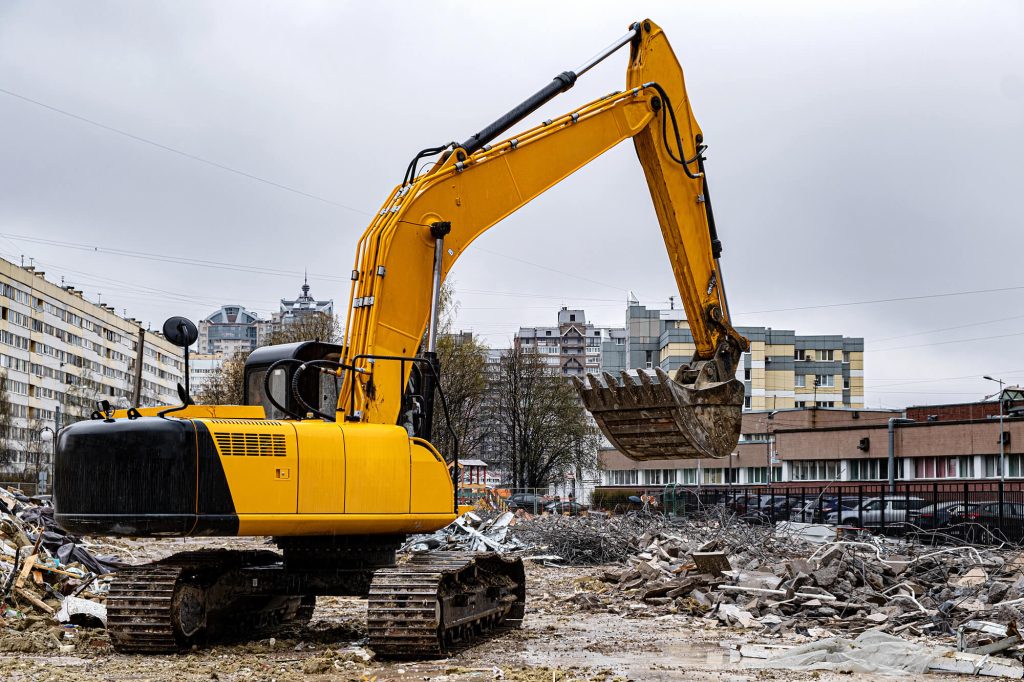
Under this outline plan the building is demolished and a new, modern building is built in its place, and the residents are relocated to rented apartments financed by the developer and, at the end of the process, receive a new, larger apartment that usually also includes parking and a safe room.
The Shaked Alternative to TAMA 38
The Shaked Alternative that has come into force is intended to replace the national TAMA 38 and to transfer its management to the local authorities, while allowing broader planning flexibility. As part of the transition, the powers of the local committees were expanded to set building percentages, building lines, and unit density according to the character of each neighborhood. For apartment owners in Jerusalem, this track allows increasing building rights up to 400%, alongside the allocation of public space in the building. The change underscores the importance of professional legal guidance that knows how to navigate the regulations, which are updated from time to time.
Building Preservation Policy Versus Renewal Needs
One of the complex challenges of renewal in Jerusalem is bridging the need to strengthen buildings with preserving the architectural heritage. The Jerusalem Municipality and the Local Committee maintain an especially strict preservation policy in historic neighborhoods and the city center, such as:
- height restrictions,
- requirements for Jerusalem stone cladding,
- and preservation of elements designated for conservation.
This means that it is not possible in every building to realize standard building rights or to carry out a full demolition as part of Pinui Binui (urban renewal: demolish and rebuild). Navigating the Preservation Department requires precise architectural adaptation and legal experience, which ensure that the property is enhanced and its rights are protected without leading to cancellation of the plan or to delays.
Jerusalem Light Rail Lines and Their Effect on Building Rights
The Jerusalem light rail lines are an engine for increasing building rights. The city’s planning policy encourages building upward and mixed uses along these routes. Owners of apartments near the light rail should know that building rights can be increased significantly compared with buildings located farther away.
Cooperation with the Jerusalem Urban Renewal Administration
Effective cooperation with the Jerusalem Urban Renewal Administration is critical to the success of every project in the capital. The Administration serves as the arm that connects apartment owners, developers, and planning bodies, and provides guidance, advice, and tools for organizing the residents from the earliest stages. Working with the Administration helps with:
- verifying the current planning rights in your neighborhood,
- obtaining preliminary approval,
- and protecting against unrealistic offers from the developer.
Legal guidance from an urban renewal attorney makes it possible to enlist the Administration’s support to advance the plan in the planning committees, remove bureaucratic barriers, and ensure that the project proceeds efficiently.
The Role of a TAMA 38 Attorney
Retaining a TAMA 38 attorney who represents only the apartment owners is a step toward securing the future of the property. By virtue of the role, an attorney ensures that your interests are the top priority at every stage:
Drafting a Protective Agreement and Guarantees
Drafting a contract that includes obtaining autonomous bank guarantees, such as a Sale Law guarantee, a rent guarantee, and a defects-liability guarantee. Alongside this, building in supervision mechanisms throughout the construction.
Protecting Vulnerable Populations and Seniors
Obtaining the benefits provided by law for apartment owners who are elderly or have disabilities, such as balancing payments or a move to assisted living.
Dealing with Holdout Tenants
Conducting a professional and respectful dialogue to resolve disputes between neighbors and, where necessary, representing the apartment owners before the Land Registration Supervisor in order to bring about approval of the project.
In summary,
Professional and independent legal guidance is the key to realizing your rights, increasing value, and fully protecting your property. We would be happy to be at your service with any question.