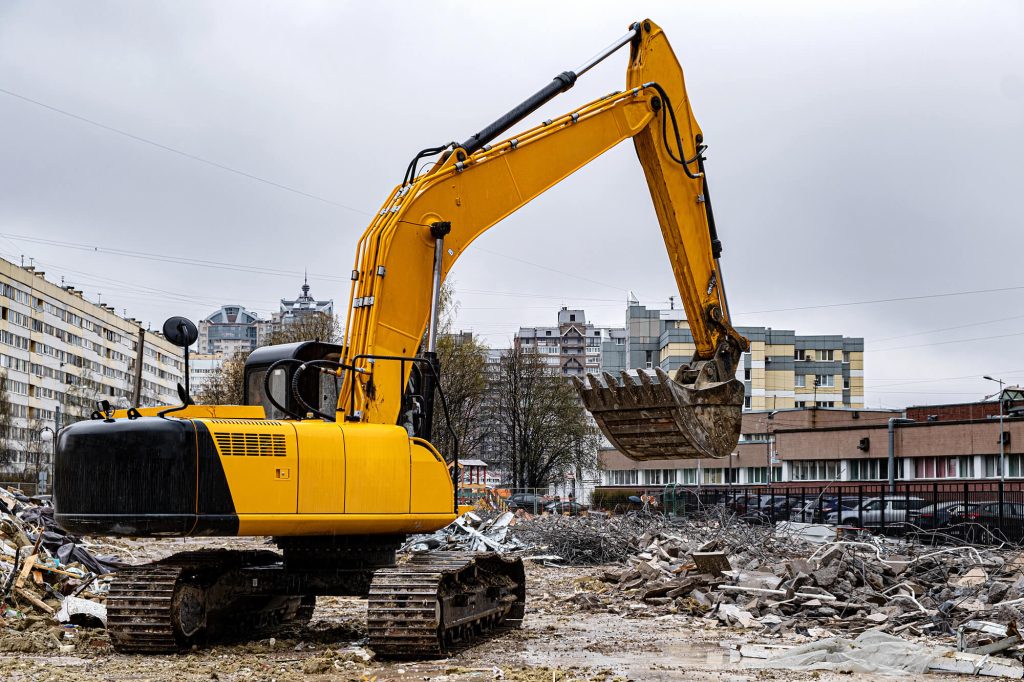
In this article we will discuss the difference between TAMA 38/1 and TAMA 38/2 in urban renewal projects, together with the legal highlights and your rights as apartment owners, so that you can set out with peace of mind and on the best possible terms.
What Is TAMA 38?
It is important first to get to know the plan that changed the face of urban renewal in Israel.
Definition and Legal Basis
TAMA 38, National Outline Plan 38 for strengthening existing buildings against earthquakes, was approved by the Government of Israel in 2005 with the aim of preventing the collapse of buildings in the event of an earthquake. Because this process involves high costs, the state created a unique mechanism that grants additional building rights, without any need for financial investment on the part of the apartment owners.
Threshold Conditions for Obtaining a Permit
For a building to participate in National Outline Plan 38, it must meet several criteria:
- Its building permit was issued before January 1, 1980,
- A structural engineer has determined that the building does not meet the standard for seismic resistance of buildings (Israeli Standard 413),
- It is not slated for demolition under a court order or an approved plan.
In addition, the plan is generally intended for buildings of two or more floors with a total built area of at least 400 sq. m.
The Residents’ Interest vs. the Developer
The TAMA 38 model is based on a deal in which all parties gain.
The apartment owners receive:
- A safe building,
- An upgrade of the building’s infrastructure,
- In most cases also the addition of a sun balcony, a safe room (mamad), an elevator, or a renovation of the lobby.
In return, the developer receives building rights on the roof of the building and on the ground floor, on which it may build new apartments and sell them on the free market, thereby generating its profit from the project.
What Is the Difference Between TAMA 38/1 and TAMA 38/2?
To choose the right track, it is important to understand the differences between renovating and strengthening the existing building and demolishing it and rebuilding it.
TAMA 38/1
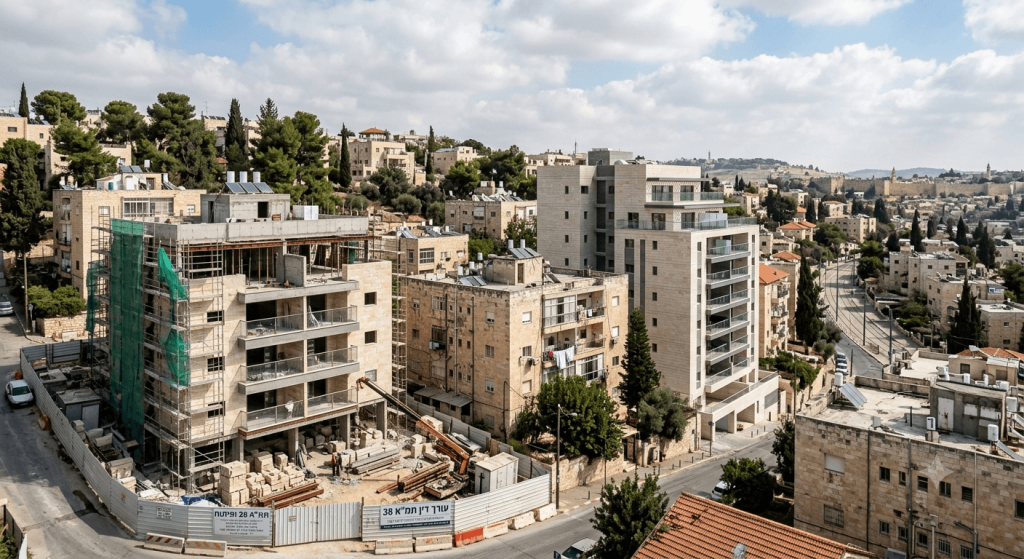
TAMA 38/1 focuses on engineering reinforcement of the existing structural frame against earthquakes, along with the addition of balconies, safe rooms and an elevator. Under this track the apartment owners continue to live in the building throughout the construction work, which saves the need to move out but comes with prolonged inconvenience. This is a complex project whose execution time typically ranges between two and three years.
TAMA 38/2
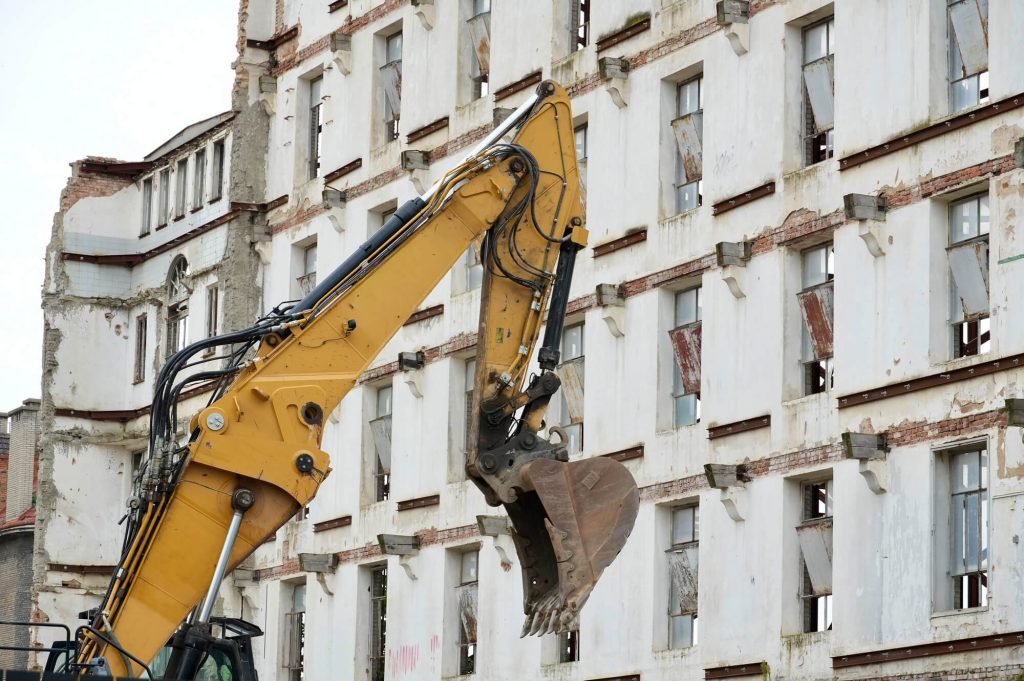
TAMA 38/2 refers to the demolition of the old building and the construction of a new, modern residential building in its place. During the construction work the residents vacate their apartments, with the developer funding the rent for the alternative apartment. This is a solution that gives the apartment owners a new apartment from a developer, maximum safety and a high quality of life.
| Comparison Parameter | TAMA 38/1 (Strengthening and Expansion) | TAMA 38/2 (Demolition and Construction) |
|---|---|---|
| Nature of the Project | Strengthening the existing building and adding floors/apartments. | Complete demolition of the old building and construction of a new building from scratch. |
| Quality of Life During Construction | Residents continue to live in the building (active construction site, dust, noise and inconvenience). | Full evacuation of the residents to alternative housing. |
| Estimated Project Duration | Approx. 18 to 30 months from the start of work on site. | Approx. 30 to 42 months |
| Consideration to Apartment Owners | Addition of a safe room, sun balcony, elevator, facade renovation and replacement of infrastructure. | A larger new apartment from a developer with a safe room and balcony, underground parking and a storage room. |
| Taxation and Costs to the Resident | Exemption from Land Appreciation Tax (Mas Shevach) and Purchase Tax, subject to caps in the law; the developer bears all costs. | Tax exemption subject to caps in the law + payment of monthly rent by the developer. |
TAMA 38/2 – Senior Citizens’ Rights
To ease their transition, the urban renewal law provides tailored solutions for senior apartment owners aged 70 or 75 and above (depending on when the project entered the planning stage). In these projects the developer is required to offer senior residents personally tailored solutions, including, at its choice, the following alternatives:
- Full funding of a move to sheltered housing or a suitable facility, up to the value of the consideration they are entitled to.
- Purchasing another apartment on the free market at the value of the new apartment being built.
- Converting the rights to the new apartment into two smaller apartments (for example, one for living and one for rental).
- The option of receiving a smaller apartment in the new building together with balancing payments, or carrying out full accessibility adaptation in the new apartment.
What Is the Difference Between TAMA 38 and Pinui Binui (Demolish and Rebuild)?
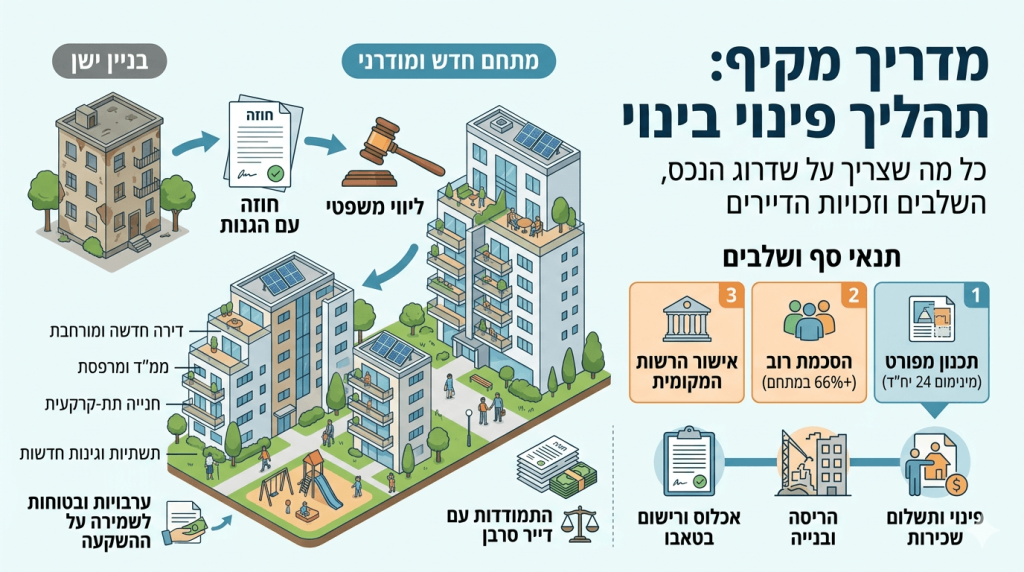
TAMA 38 focuses on a single building or a small number of buildings, and the plan is advanced through the local committee. On the other hand, a Pinui Binui project relates to entire complexes of at least 24 housing units and requires a change to the zoning plan (TABA) and the involvement of the district committee. As a result, Pinui Binui allows comprehensive urban planning that includes, among other things:
- Renewal of infrastructure,
- Paving of roads,
- Establishment of parks, schools or kindergartens.
Which Is Better – TAMA 38 or Pinui Binui?
The choice depends on a number of planning, financial and personal considerations of the apartment owners. TAMA 38 generally offers a shorter timetable with the local committee, while a Pinui Binui project usually provides higher financial consideration. In addition, there are differences in the percentage of consent required by law and in the tools for dealing with holdout residents. To determine which is better for you, it is recommended to carry out a feasibility study that examines the property’s location, the engineering data and the planning policy of the local authority.
The Importance of Having a TAMA 38 Attorney in the Transaction
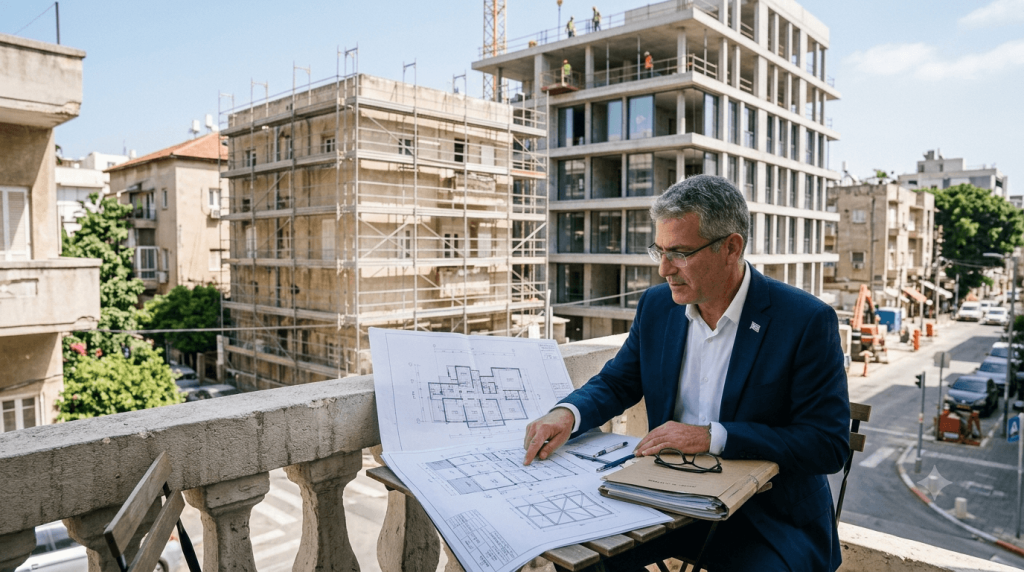
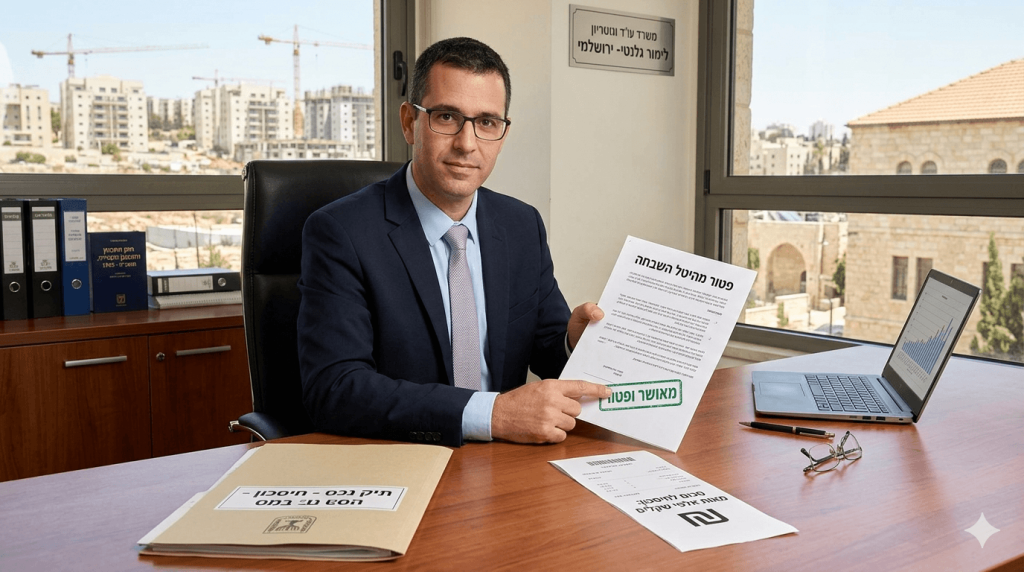
The role of a TAMA 38 attorney is to represent the exclusive interest of the apartment owners in the building. That is:
- To negotiate on their behalf,
- To draft a legal agreement,
- To make sure guarantees are obtained from the developer, such as a Sale Law guarantee, a rent guarantee, a performance guarantee and a tax guarantee. The overarching goal is to secure your investment in every scenario, from the moment of signing until you receive the key.