What Is an Administrative Demolition Order?
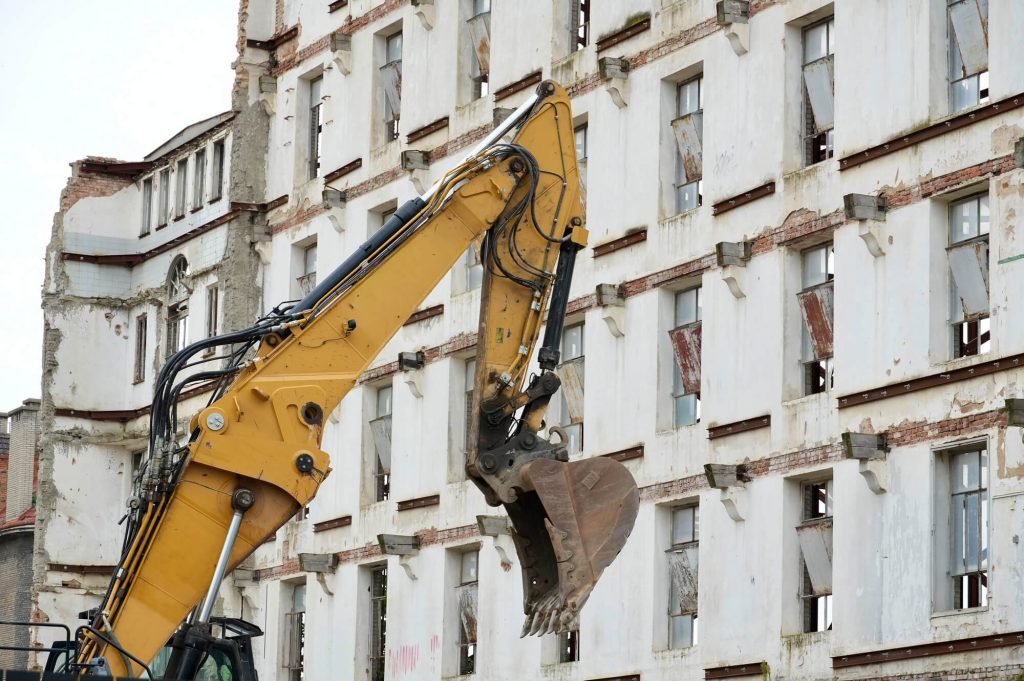
An administrative demolition order is an order issued by a local authority or a local planning and building committee, pursuant to Section 238A of the Planning and Building Law.
What the order means : Demolition of a structure that was built without a building permit, or contrary to the terms of the permit, without waiting for a criminal legal proceeding.
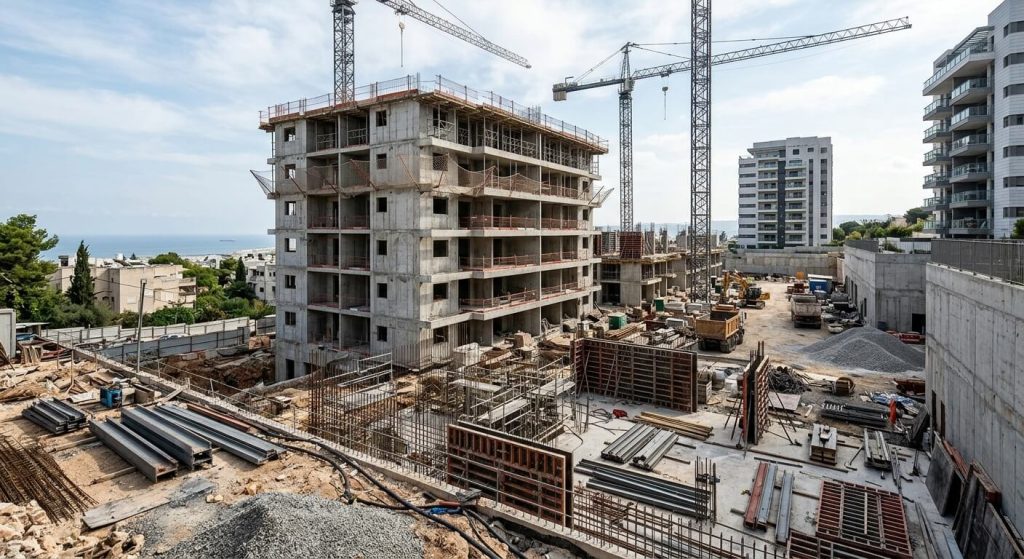
This order is intended to enforce the building laws quickly and efficiently, and to stop instances of illegal construction in real time, especially when the structures were recently built or are still under construction.
Unlike a criminal proceeding, which can last months or even years, an administrative demolition order can be carried out within just a few days, and is sometimes carried out within 24–72 hours of its delivery. This is one of the reasons it is an order with particularly heavy consequences, which requires an immediate legal response. It is one of the most dramatic tools available to local authorities and to the enforcement units of the planning and building departments. It is a harsh sanction, which allows the authority to demolish a building or structure without a criminal proceeding and without the need for a conviction or proof of criminal intent on the part of the builder. For many people, receiving such an order is a shock – especially when it concerns a structure in which they have invested money and time, and sometimes even actually live. The first reaction is usually a feeling of helplessness.
But it is important to know: even in such a situation, there is something that can be done – and in many cases, a quick approach to an attorney experienced in administrative demolition orders can make all the difference between a total loss and an effective, lawful solution.
In this article we will explain what an administrative demolition order is, when it is issued, what risks are involved, and how an attorney can help in dealing with it.
When Can the Local Authority Issue an Administrative Demolition Order?
In order to issue an administrative demolition order, several cumulative conditions must be met:
- The construction was done without a permit or in deviation from an existing permit – that is, a clear planning and building offense.
- The construction has not yet been completed, or was completed only recently – the newer the structure, the higher the chance that the authority will use the order.
- 60 days have not passed since the completion of the work, or 30 days since occupancy – this is an important limitation, intended to ensure that the order is used within a reasonable time.
- A criminal indictment has not yet been filed for the offense – otherwise the authority passes to the court.
If these conditions are met, the local committee may issue a demolition order – without a hearing, and without prior warning.
Can the Order Be Stopped?
Although this is an administrative order and not a criminal one, a citizen still has legal tools to deal with it. The main way is to file a request with the Municipal Affairs Court to cancel or stay execution of the demolition order.
This is exactly where the critical role of an attorney who specializes in administrative demolition orders comes into the picture
. The attorney can:
- Check whether the conditions for issuing the order were met
- Argue technical or substantive flaws in the proceeding
- Present personal circumstances that justify a postponement
- Propose an alternative lawful planning solution, with the help of an experienced architect
- And sometimes even reach an arrangement with the authority or obtain an extension
The court is not obligated to cancel the order, but it is authorized to stay its execution or to require the authority to explain why immediate demolition is unavoidable. The faster, more professional, and better documented the legal response is, the greater the chance of preventing the actual demolition.
Why Is It Important to Turn to an Attorney?
An administrative demolition order is a fast, rigid, and aggressive procedure. Any mistake or delay in taking action may end in the irreversible loss of a property, and in enormous financial and emotional damage. Turning to an attorney is not a luxury – it is a necessity.
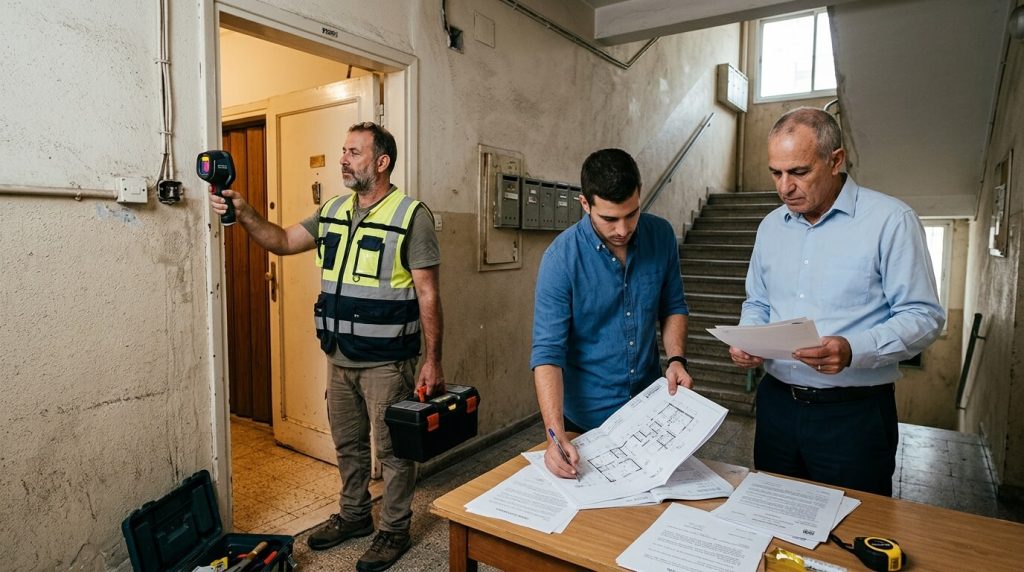
An attorney who handles demolition orders understands well the tight time frame, the interests of the authorities, and the judges’ discretion in this area. Such an attorney knows how to build a quick, effective, and persuasive legal argument, how to present plans, letters, expert opinions, or affidavits – and most importantly, is familiar with the small details that a private individual is usually unaware of.
In addition, an attorney may identify that the authority acted beyond its powers, without a required hearing, or that the order was issued with extreme unreasonableness – and in such cases the order can even be canceled entirely.
What Happens If You Ignore the Order?
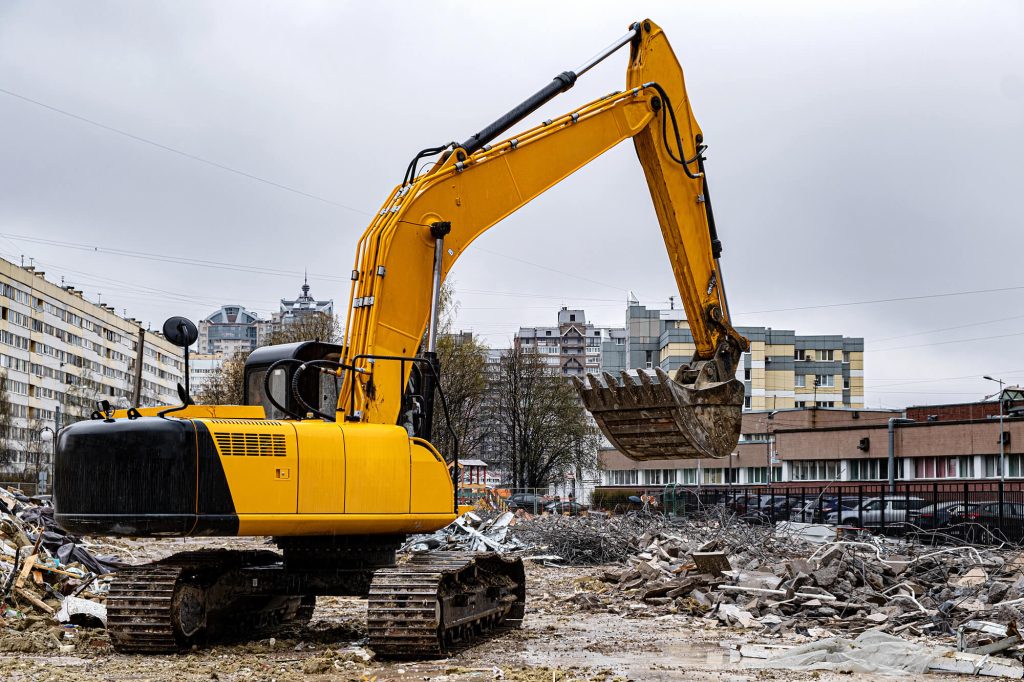
It is important to understand: failing to respond to an administrative demolition order is not a solution. If a request for cancellation or stay of execution is not filed within a short time, the authority may carry out the demolition immediately, sometimes even accompanied by police or a security company.
An administrative demolition is carried out at the builder’s expense, and is sometimes accompanied by fines, additional legal proceedings, or collection proceedings. This means that the damage is not limited to the loss of the structure itself – it also includes payments to the authority and additional complications in the future.
Examples from case law:
- Construction that does not require a permit cannot be demolished – Case (Hadera) 3378-06-14 – Iris Pen v. Samaria Local Planning Committee – The court canceled the administrative demolition order that was issued for a swimming pool, because the pool does not fall within the definition of a “building” under the Planning and Building Law, since it is not attached to the ground in a permanent connection and is intended for temporary use only during the summer months. Therefore, setting it up does not require a building permit. The court held that the conditions for issuing an administrative demolition order were not met in this case, since this was not illegal construction requiring the prevention of a fait accompli.
- A case in which a demolition order was not canceled, mainly because the structure was built unlawfully – Motion 49838-04-25 Manaa Anad v. National Enforcement Unit – The request to cancel a demolition order was denied because the applicant did not meet the conditions set in the law and in case law that justify interference with administrative decisions; it was not proven that the structure was built lawfully, it was not proven that the requirements for issuing the order were not met, and no serious flaw was found in the order that would justify canceling it.
- A case in which the request to cancel a demolition order was partially accepted – Motion 51897-02-23 Hir v. Real Estate Enforcement Authority – The request to cancel the demolition order was accepted in part. A clerical error was made in the inspector’s affidavit and it was not proven that prohibited work was carried out beyond clearing vegetation, and therefore the order was canceled in this part.
- Contradictory decisions by the authorities can lead to cancellation of the demolition order – Motion (Jerusalem) 25651-02-21 Fares Trawa v. State of Israel: The case was unique because a situation arose in which the Jerusalem Municipality required the applicant to build a fence in accordance with the provisions of the municipal by-law. Afterward, another body (the enforcement unit) sought to demolish that same fence. The court held that this situation “is not satisfactory” – where one authority (the municipality) requires the construction of a fence, and another authority seeks to demolish it. However, it is important to note that the court emphasized that there is no dispute that a municipal demand to fence a structure under the by-law does not exempt the recipient of the demand from the requirements of the Planning and Building Law. This is an exceptional case in which a demolition order was canceled, and the main reason was the contradiction between the demands of two different authorities. The court saw a problem in a citizen being required by one authority to carry out an action, and then another authority seeking to demolish what was done in accordance with the demand of the first authority. It is important to emphasize that a demolition order is an administrative decision to which the principle of relative nullity applies. This means that even when flaws exist in the order, it is possible to avoid canceling it, or to cancel it only partially, depending on the severity of the flaws. In this case, the contradiction between the demands of the different authorities was considered a flaw serious enough to justify canceling the order with respect to the fence.
In Summary
An administrative demolition order is a powerful and harsh enforcement tool, which is sometimes used without warning and without any real ability to prepare in advance. If you received such an order – it is worth consulting an attorney who understands the field.
Consulting with an attorney who specializes in demolition orders is the best way to protect the property, your investment, and your rights against the authority. Remember: the law gives you the right to be heard – but only if you act in time, wisely, and with professional guidance. The attorney can examine the legality of the order, advise on the right course, and sometimes even stop the demolition. We would be happy to assist you with any question.