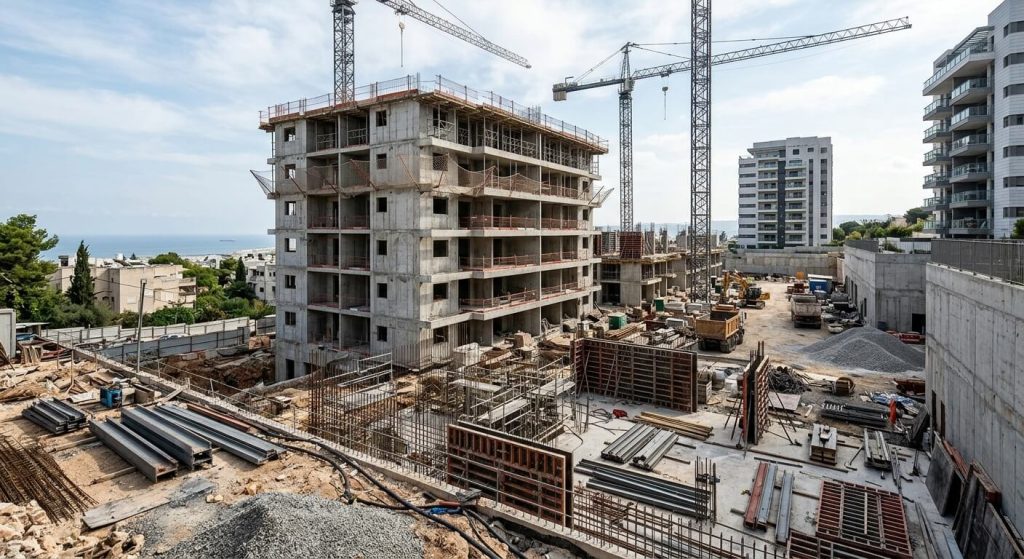
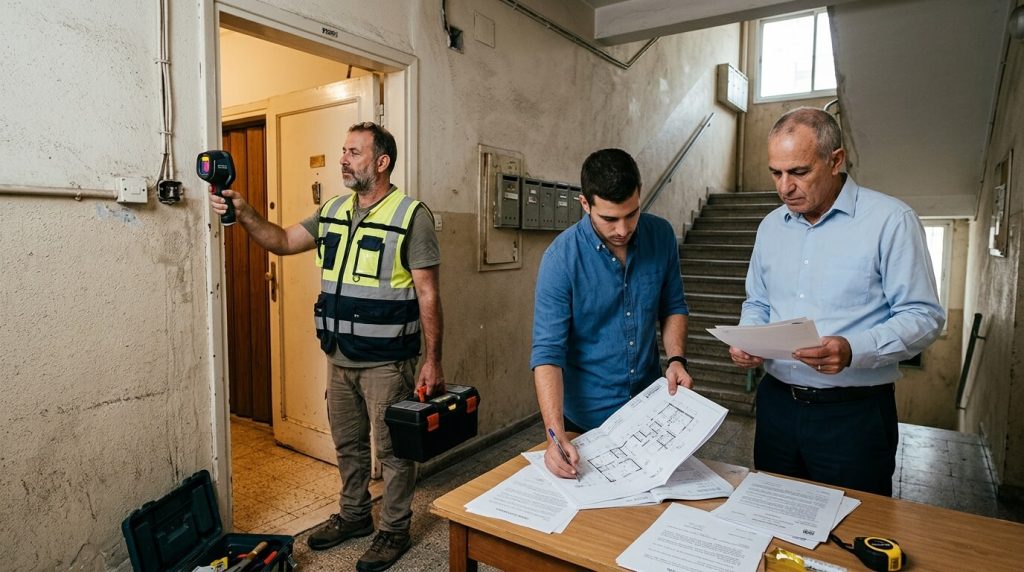
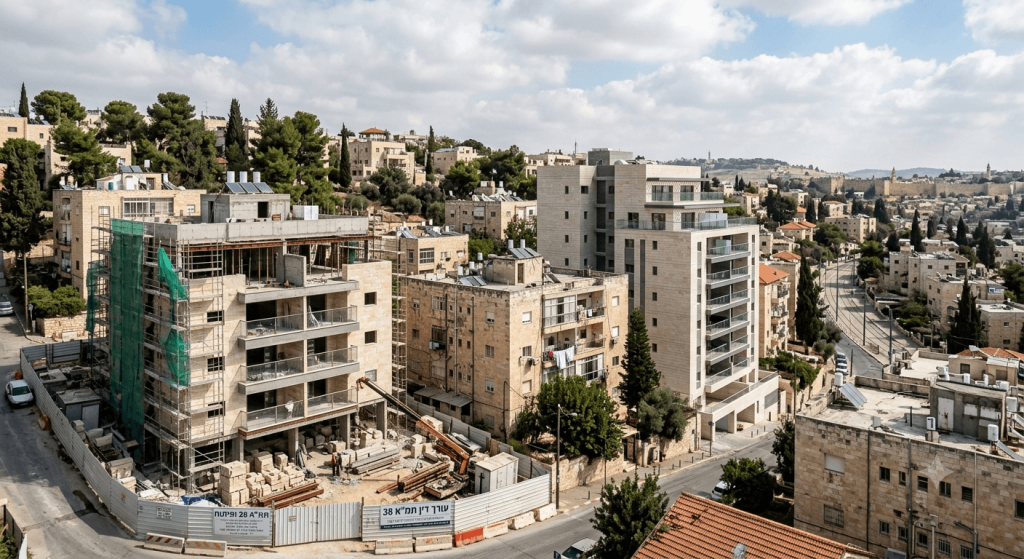
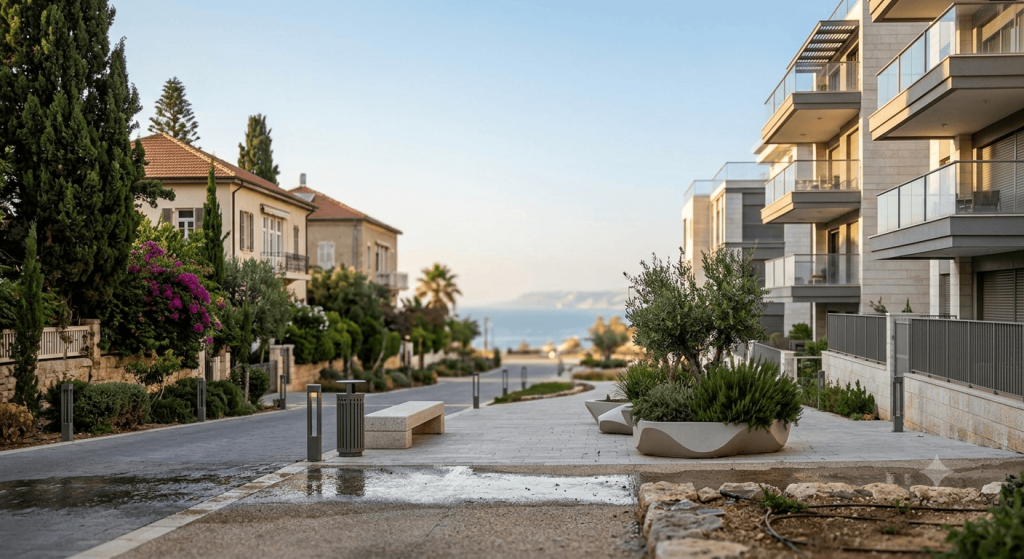
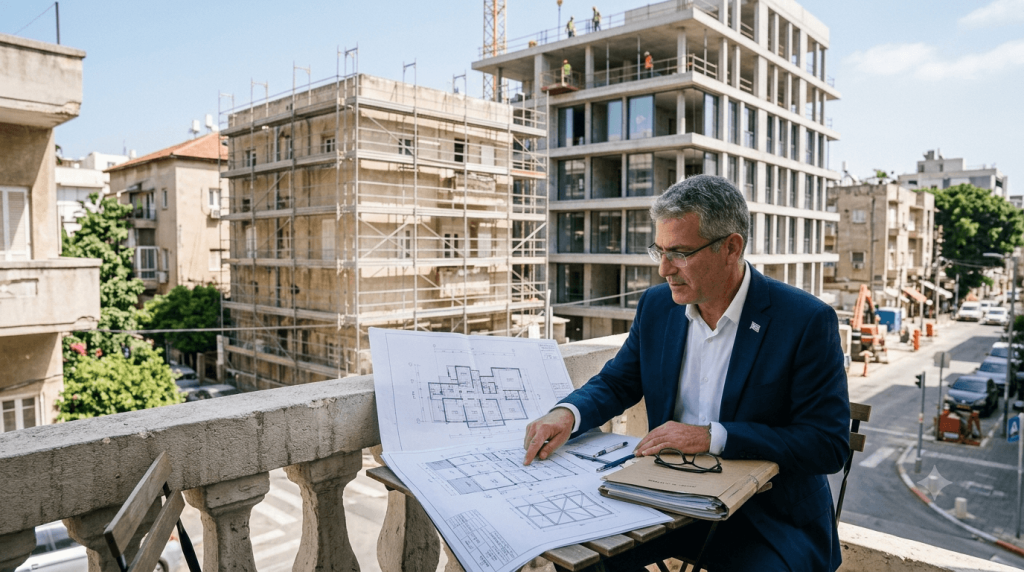
The main goal of urban renewal is to upgrade the residents’ quality of life, strengthen buildings’ resistance to earthquakes, improve public infrastructure and increase the housing supply in high-demand areas. These processes turn old areas, whose infrastructure is sometimes dilapidated and whose buildings do not meet modern standards, into lively, advanced complexes that combine residential, commercial and park spaces, thereby contributing to the economic and social growth of the city as a whole.
A General Overview of the Situation in Israel
The state promotes two main tracks to encourage developers and residents to enter these processes. The national outline plan for strengthening existing buildings against earthquakes, TAMA 38 (National Outline Plan 38), offered two tracks:
- TAMA 38/1 – strengthening the existing building and adding safe rooms (mamad), a balcony and an elevator.
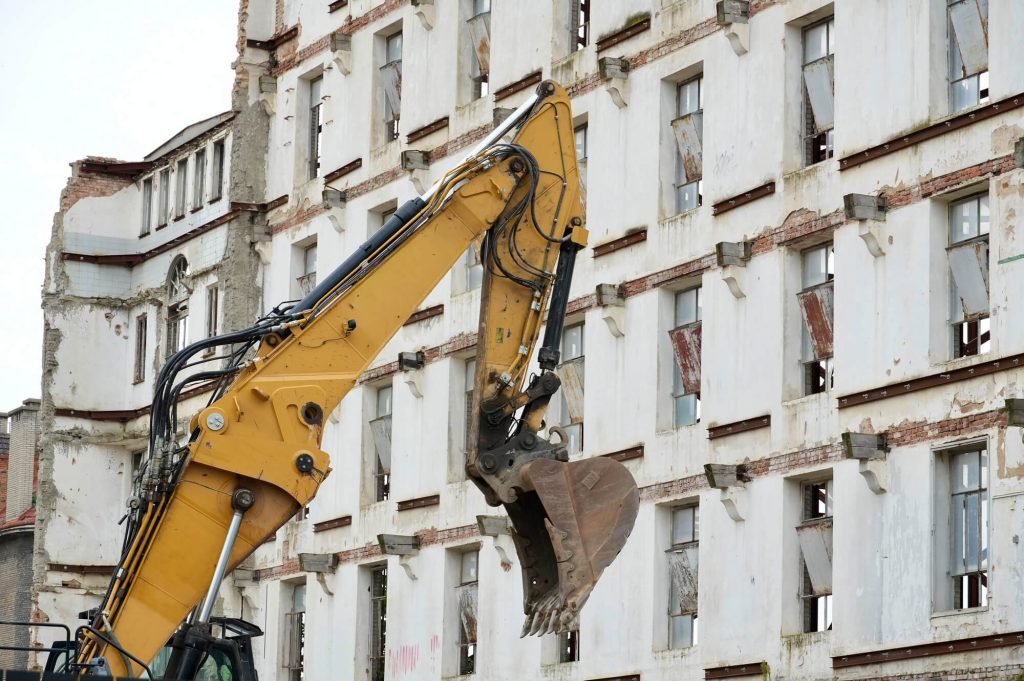
- TAMA 38/2 – demolishing and rebuilding the building.
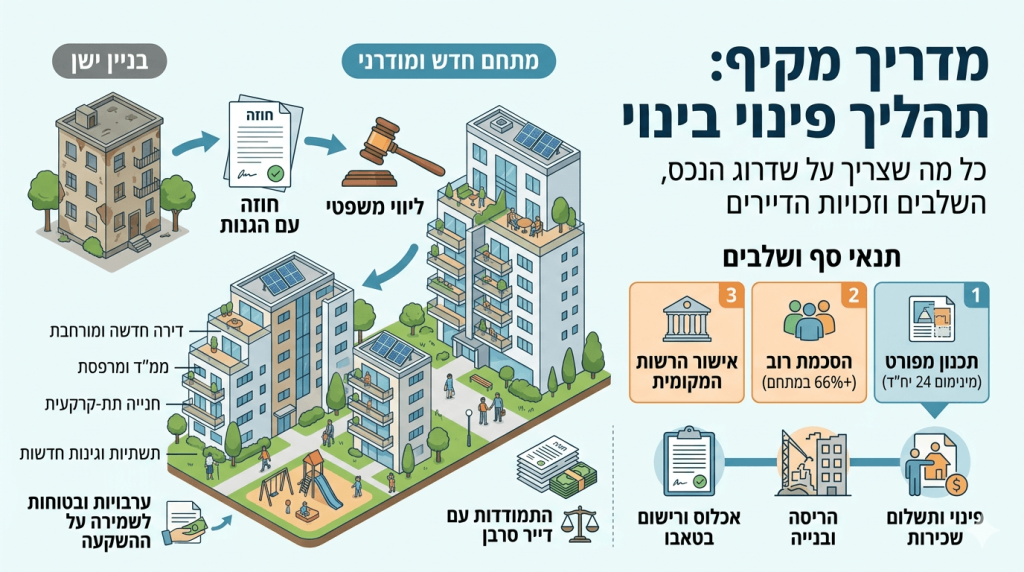
- Pinui Binui (urban renewal: demolish and rebuild) – demolishing several buildings and building in their place a new complex that includes residential buildings, public spaces and upgraded infrastructure.
Building Densification as Part of Renewal
In addition, there is a building densification track, an urban renewal approach that involves adding housing units in existing buildings or next to them, without the need for demolition. This track, which is better suited to areas with unique characteristics or to areas where large-scale Pinui Binui cannot be carried out, allows more efficient use of urban land.
Urban Renewal in Jerusalem
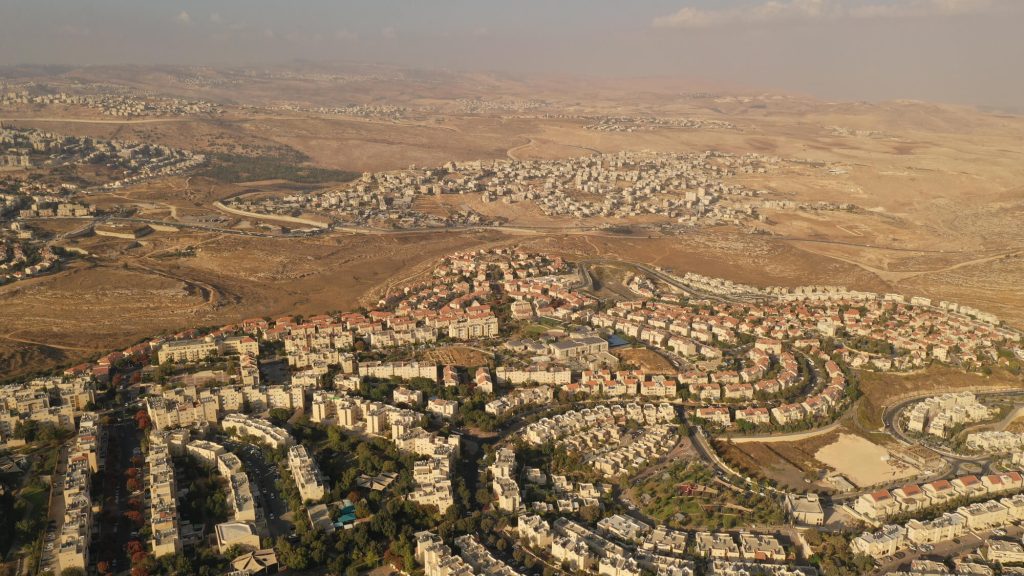
Urban renewal projects in Jerusalem are complex and fundamentally different from those in central Israel. The planning and execution stages encounter many challenges that do not exist in other cities, and they stem mainly from the city’s unique characteristics.
Topographical Challenges
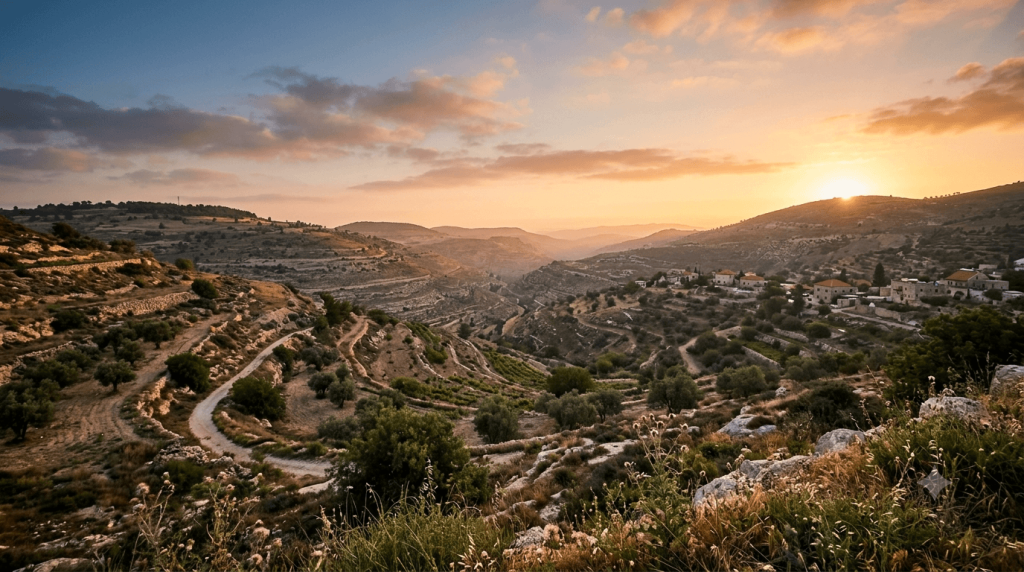
One of the most prominent challenges is Jerusalem’s hilly topography. Most of the older neighborhoods are built on steep slopes, which makes infrastructure work, removal of construction waste and transport of heavy equipment to the sites very difficult. In addition, the streets are very narrow, sometimes without suitable access routes, which makes planning large-scale projects difficult. Planning Pinui Binui and building densification projects requires complex and innovative engineering solutions, taking into account the natural drainage systems and avoiding harm to the stability of the foundations.
Heritage Preservation
Many of the city’s older buildings and neighborhoods, even those that are not of clear religious or national importance, are designated for preservation. This requires developers and architects to find creative solutions that combine the new with the old. For example, projects in the city center may require preserving building facades or architectural elements, while at the same time allowing new construction. These processes require dealing with building preservation committees and obtaining additional approvals, which lengthens the timelines and makes the projects significantly more expensive.
Social-Demographic Challenges
Jerusalem is a human mosaic, and the social-demographic challenges directly affect urban renewal processes. In Haredi (ultra-Orthodox) neighborhoods, for example, there are needs such as adherence to modesty, adapting apartments for large families and public spaces for community use. In secular or mixed neighborhoods, the needs are different. In addition, in many neighborhoods there are neighbor disputes or social complexities that require great sensitivity and adaptation of the complicated legal solutions. It is the duty of the real estate attorney and the developer to deal with these issues in a respectful and professional manner, in order to ensure cooperation from the residents and bring the project to fruition.
The Role of an Attorney in Jerusalem in Urban Renewal Projects
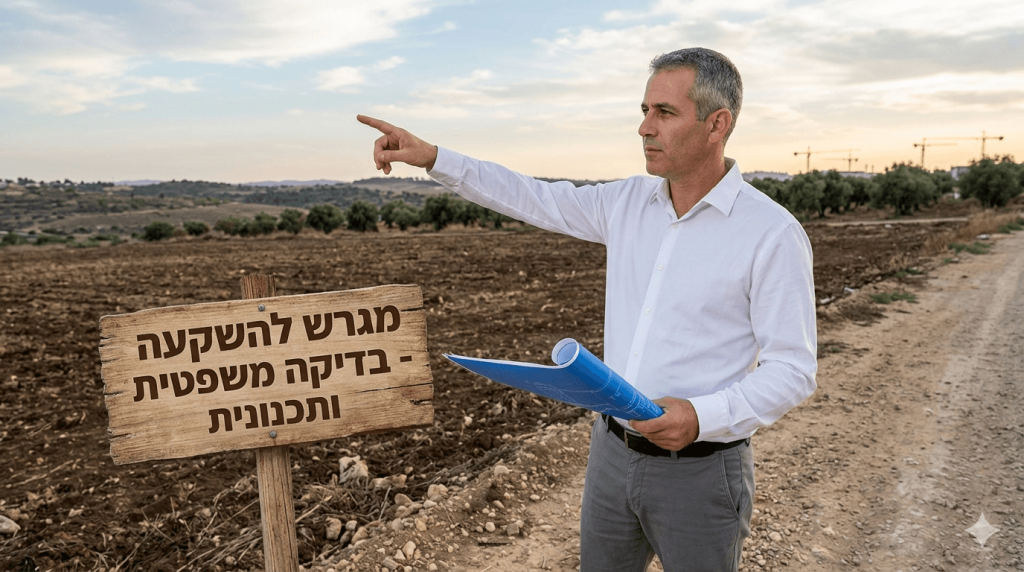
To illustrate the unique challenges of urban renewal in Jerusalem, let’s examine projects in neighborhoods such as Kiryat Yovel or Katamonim. These neighborhoods still suffer today from dilapidated infrastructure, buildings that are not earthquake-resistant, and more. Pinui Binui projects in these areas, despite their inherent potential, face complex challenges that only professional legal guidance can overcome.
Pinui Binui in Katamonim
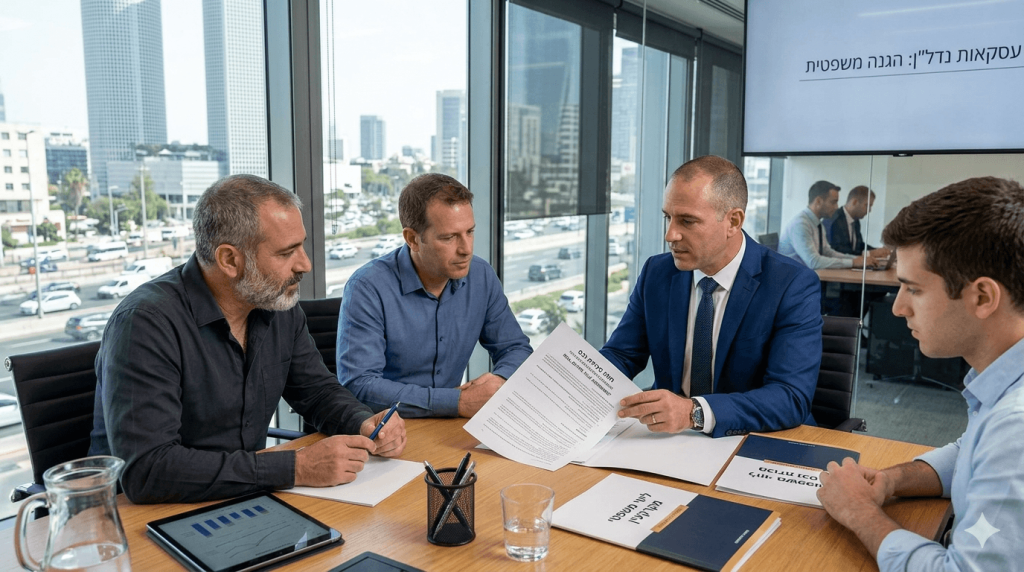
In areas such as the Katamonim, Pinui Binui projects present special social and legal challenges. Often, the residents have low socio-economic characteristics, and therefore it is very important to ensure that they receive the fairest agreement. The role of an urban renewal attorney is to protect the residents’ interests, from the stage of choosing the developer until receiving the new apartment. The attorney conducts careful negotiations with the developer regarding:
- The Pinui Binui agreement,
- The sharing agreement among the owners of the new apartments,
- Condominium registration documents.
In many cases, a real estate attorney must provide a legal response to specific problems such as disputes over rights in the land, handling holdout residents or settling inheritance rights.
Case Studies of Dealing with a Holdout Resident
One of the most common problems in urban renewal projects is refusal by one resident or several residents. In Jerusalem, as also discussed in the courts, various claims often arise that do not relate only to financial compensation, but also to social complexity.
- Case A – The Resident and the Excess Compensation
In a judgment, issued by Ms. Avital Schreiber, the Supervisor of Land Registration in Jerusalem, a claim was heard that was filed by apartment owners against a resident who refused to sign a TAMA 38 agreement. The resident claimed inequality in compensation. The Supervisor ruled that his objection stemmed from his unreasonable desire to receive excess compensation and that his claims of unfair treatment were not proven. She ordered him to sign the agreement, and even imposed legal costs on him, emphasizing the importance of advancing building-strengthening projects.
- Case B – The Resident Who Was Treated Unfairly
In another case, the Supervisor of Land Registration in Jerusalem also heard a claim by residents against a holdout resident in a six-apartment building on Brodie Street. The resident refused to sign a TAMA 38 agreement, claiming that he was receiving less compensation than the other residents. After a thorough examination, the Supervisor found that his claims were indeed partially justified. Only after the developer agreed to give him improved compensation, such as increased rent and a larger storage room, did the resident sign the agreement. The Supervisor ruled that once the balance had been achieved, the resident must sign.
These two case studies emphasize the central role that a real estate attorney plays in conducting effective negotiations and ensuring substantive equality among the residents.
Adapting the Legal Solutions
Legal agreements are not prepared in advance. A real estate attorney is required to adapt the agreement to the characteristics of the project. For example, in a project where the buildings are located on steep topography, the attorney must ensure that the agreement explicitly addresses parking solutions, accessibility for people with disabilities, and more. At the same time, the attorney must protect the residents and make sure that the developer presents all the required guarantees, such as guarantees for:
- Sale Law (Apartments),
- rent during the construction period
- and also for condominium registration.
You should choose an attorney who will ensure that even projects with many difficulties advance successfully while protecting the residents’ rights. We would be happy to assist you with any question.