Buying a plot of land for investment turns out to be one of the most attractive options in the real estate market today, where land reserves are shrinking while the demand for housing continues to rise. At the same time, so as not to risk your money, it is worth understanding the legal and planning complexity of the transaction in order to see a real profit from it.
The Difference Between Buying a Plot of Land and Buying an Apartment
When buying an apartment, the path is clear – a regular mortgage, you sign a contract, and within a relatively short time the apartment is yours. By contrast, when buying a plot of land for investment, the picture is completely different, because:
- Banks require much higher equity,
- Realizing the investment takes many years
- It depends on receiving the appropriate approvals
Because of this complexity, legal guidance for buying a plot of land requires meticulous in-depth checks of building rights, taxation and future plans.
The Role of a Land-Purchase Attorney
A land-purchase attorney objectively analyzes the legal and planning status of the land, and checks whether there are debts, future expropriations or building restrictions. Professional legal guidance ensures that the decision will be based on facts and not on gambles.
Types of Land for Investment
Each plot of land for investment is at a different planning stage, which determines how long you have to wait until it is possible to build on it. This fact directly affects the price of the plot and therefore also the level of risk.
Building Plots
Buying building plots is suitable for those looking for certainty and peace of mind. Their advantage is that the plans are already approved, so you know exactly what is permitted to be built, the path to obtaining a building permit is significantly shorter, and banks approve a mortgage more easily. The downside is the high price, which creates lower profit potential.
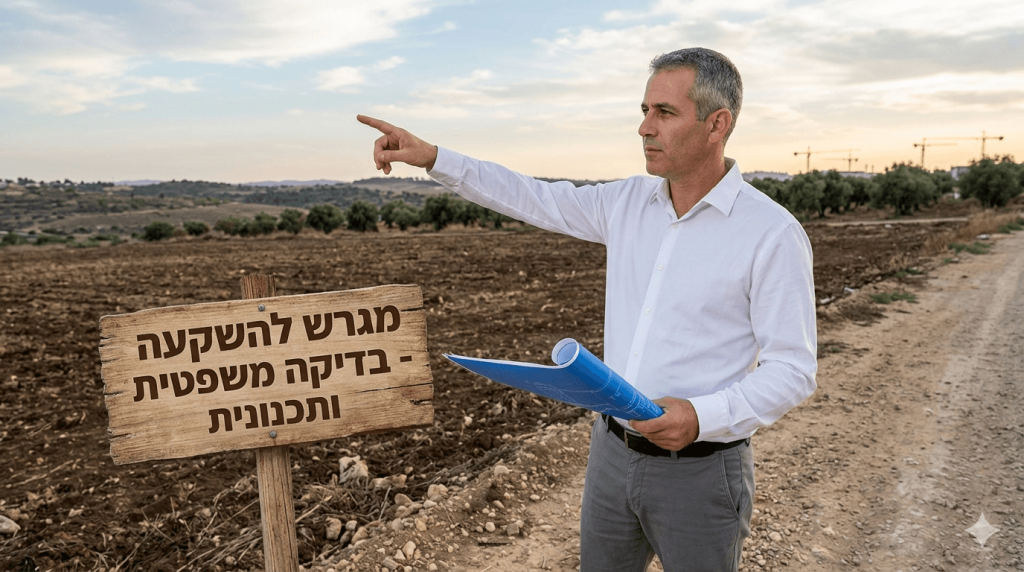
Buying Land That Has Not Been Rezoned
Agricultural plots for sale are suitable for investors who are looking for a jump in the value of the property but are also willing to take the risk of waiting many more years for the status to change. The opportunity is in the gap between the purchase price of land that has not been rezoned and the sale price of rezoned land. However, there are significant risks here, such as:
- Outline plans may change,
- A public interest may lead to its expropriation for infrastructure,
- The entire process may take decades or get stuck permanently.
Town Planning Schemes and Building Rights
There are different types of zoning plans (TABA), and the difference between them will affect what you can do with the land:
Detailed Zoning Plan or General Zoning Plan
A detailed plan defines exactly what will be on the plot, such as:
- For what use – residential, commercial or agricultural.
- What part of the area can be built on?
- What will the height of the structure be?
Because the plan is detailed, the path to obtaining a building permit there is greatly shortened. By contrast, a general zoning plan sketches the vision and the basic lines, without specific data that would make it possible to issue a building permit.
Zoning Plan in Final Effect vs. Deposited Zoning Plan
A zoning plan that has received final and absolute approval is a legal document that cannot be easily changed. On the other hand, plans that are in interim approval stages have partial legal validity, and are still exposed to objections or adjustments.
Checking Building Rights
Checking building rights will reveal how many square meters, floors and apartments are actually permitted to be built on the plot, and it is the key to calculating the profit potential. This legal check verifies that the rights are indeed registered and approved as required, and checks whether there are present and future risks that could reduce the building area.
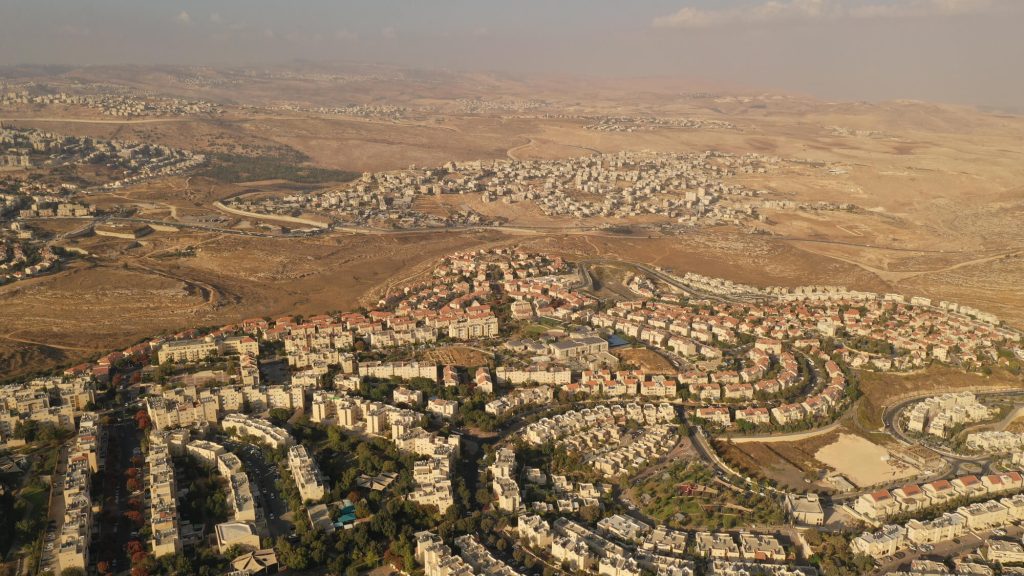
Plots for Sale in Jerusalem
Without an accurate analysis of the identity of the landowners and the legal status, investors may find themselves in prolonged battles that freeze the ability to build. Here are a few points:
- Church land – plots in neighborhoods such as Rehavia and Talbiyeh that sit on land owned by churches. The transactions are for leasehold only, and the end of lease contracts with the Jewish National Fund (KKL) creates volatility in value as well as a not-insignificant risk.
- Private land – allows immediate building, which creates stable and very secure value.
- East Jerusalem – not registered in the Land Registry (Tabu) but in Jordanian records, or requires carrying out a “first registration“.
Plots for Self-Building
A plot for self-building gives control over the planning and the quality of execution, but requires complex independent management, including:
- Architectural planning,
- Obtaining a building permit
- Contractual engagement with the building contractors.
A preliminary check of the plot and preparing contracts with the professionals will ensure that the project is completed on time, within budget and without mutual lawsuits.
Land Taxation
While Purchase Tax is paid at the time of purchase, you must also take into account Land Appreciation Tax (Mas Shevach) when the property is sold, and betterment levy paid to the local authority. This check makes it possible to take advantage of exemptions, legally reduce tax liabilities, and prevent expensive surprises.
In summary,
Buying land for investment requires a careful check of the planning status, the complexity of the registration and tax planning to ensure its success. Have you found a plot that you are interested in buying? Do not move forward without legal protection. We would be happy to assist you with any question.