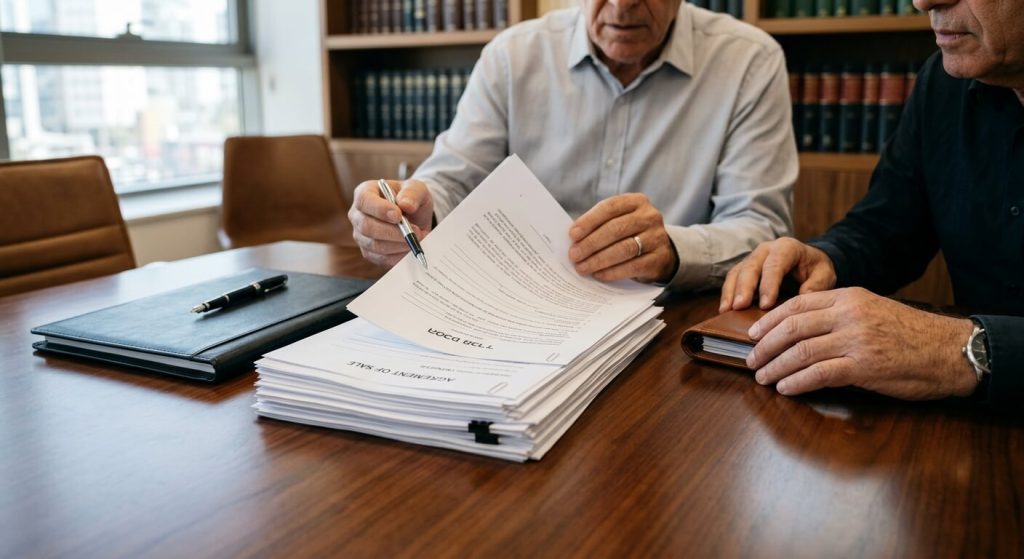
A will is a binding legal document in which a person determines how his property will be distributed after his death. However, a will does not always truly reflect the testator’s wishes, especially when outside parties exert undue influence, such as situations in which pressure, exploitation, or manipulation is applied to the person writing the will, given that he or she is elderly or frail, which may lead to the will being invalidated in court. In this article we will review what undue influence is, how it is identified, what the criteria are for annulling a will, and what measures can be taken to protect the testator’s wishes.
What Is Undue Influence in Making a Will?
Undue influence is a situation in which a person exploits his power, status, or closeness to the decedent in order to unfairly influence him to make a will that benefits that person at the expense of other heirs. The influence may be physical, mental, emotional, or financial.
Examples of cases of undue influence:
- An elderly person suffering from cognitive decline is influenced by a caregiver who induces him to leave the caregiver all of his property.
- A relative who emotionally abuses an elderly person and isolates him from the rest of the family in order to control the will.
- Situations in which a person who is ill and in need of nursing care is controlled by someone who pressures him to make changes to the will under threat or by exploiting his weakness.
The court examines undue influence by means of evidence and testimony, and determines whether the will was written of free will or under improper influence.
How is undue influence identified?
There are several legal criteria established in case law for examining undue influence in wills:
1. The Decedent’s Dependence and Independence
Was the testator independent in making decisions, or was he dependent on someone else to manage his daily affairs? The weaker the testator was in terms of health, mental state, or physical condition, the greater the likelihood that he was subject to undue influence.
If the decedent was completely independent, the chance of proving undue influence is small. By contrast, if the decedent was dependent on someone else for basic needs, there is a higher chance of influence.
2. The Beneficiary’s Degree of Involvement in Making the Will
When a person who benefited from the will was involved in the process of drafting it – such as taking the decedent to an attorney, participating in discussions about the will, or drafting clauses in his own favor – this is a clear indication of improper influence.
A will made in the presence of an independent attorney, without the involvement of the beneficiaries, is considered more reliable. If the beneficiary was involved in dictating the will, this may be grounds for annulling it.
3. Isolation from Other Family Members
If the decedent was isolated from the family and was influenced by a close person such as a caregiver, a family member, or a personal assistant, it may be undue influence.
A testator who maintained relationships with all of his family members, and whose will appears fair, is regarded as valid. By contrast, a testator who was deliberately cut off from his children or relatives by the beneficiary may be suspected of having been unfairly influenced.
4. Sudden Change of the Will in Favor of One Party
A drastic change in the will – especially where one particular person receives everything and others are disinherited for no justified reason – may raise a red flag.
A controlled and gradual change of the will is less suspicious. An extreme change without a logical explanation can lead to the will being invalidated.
How is undue influence proven in court?
An heir claiming undue influence must provide significant evidence that the testator did not act of free will.
Evidence that can help prove it:
Medical evidence – opinions of doctors proving that the decedent was in a poor mental or physical state at the time the will was made.
Testimony of relatives – family members who testify to isolation or a sudden change in the decedent’s behavior.
Documents and emails – correspondence indicating that pressure or manipulation was applied.
Testimony of the attorney who drafted the will – did the testator act out of free choice?
If it is proven that there was undue influence, the court may order the will annulled.
How can undue influence be prevented when making a will?
To ensure that the will reflects the decedent’s true wishes, there are several steps worth taking:
- Making the will in the presence of an experienced attorney who will make sure the testator is aware of all the clauses of the will and signs it of his own free will.
- A medical examination before making the will – a medical document confirming that the testator was lucid and capable of making decisions.
- Making sure the testator signs alone – avoid a situation in which one of the heirs is present at the time of signing.
- Adding a video – it is possible to record a video of the testator at the time of signing, in which he explains his intention clearly.
- Leaving explanations for unusual decisions – if the decedent chooses to disinherit a particular heir, it is advisable to explain this in order to prevent future disputes.
Summary – When Might a Will Be Invalidated Due to Undue Influence?
- When the testator was completely dependent on the person who inherited from him.
- When the beneficiary was excessively involved in making the will.
- When the decedent was deliberately cut off from other family members.
- When an extreme and unexplained change was made to the will in favor of one party.
- When there is medical or legal evidence indicating that the testator was not fit to make decisions.
Protecting the testator’s wishes is a supreme value. Therefore, if there is a suspicion of undue influence, it is worth seeking legal advice and filing an objection to the will in court. If you are facing such a situation, it is advisable to turn to an experienced attorney in the field of inheritance law, who will know how to protect your rights and ensure that the will is fair and correct. We would be happy to assist you with any question.